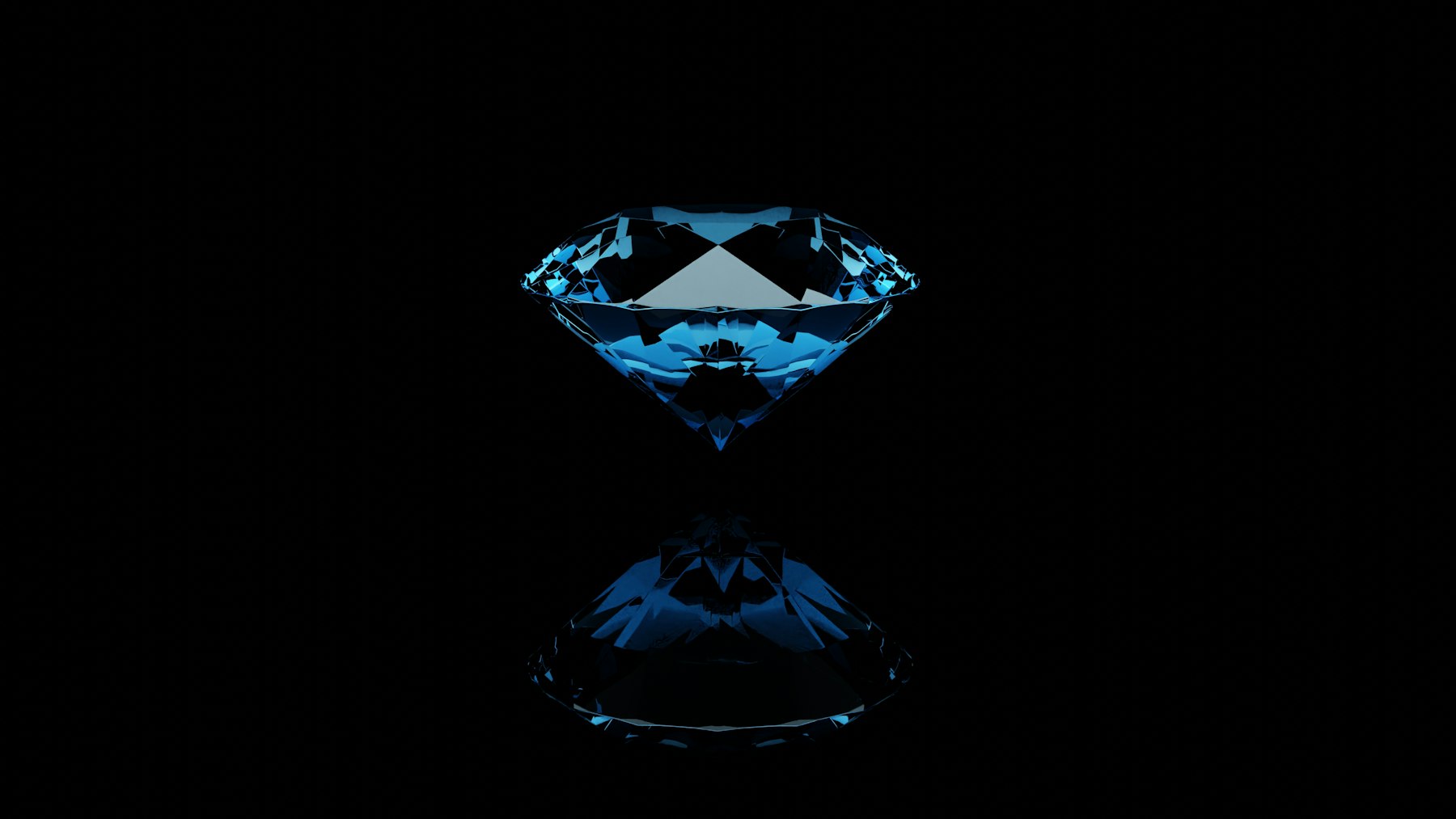
Free express insured shipping in Australia and World Wide

The Diamond Guide

Natural or lab-grown?
The honest comparison.

They look identical. Everything else, from origin to lasting value, is not.
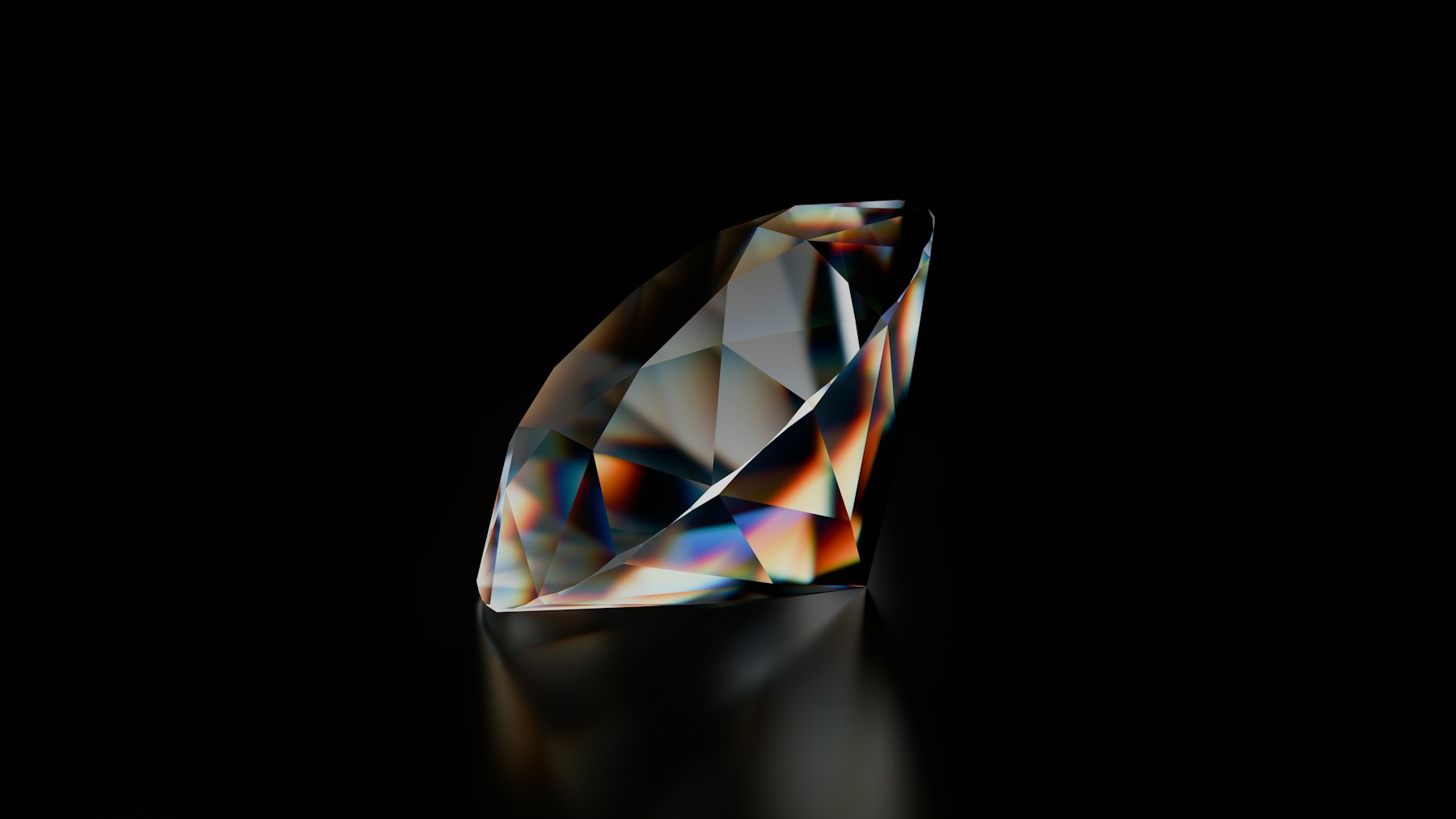
Side by side

The differences, in full.

Chemically, the two are the same. In origin, rarity and what they are worth over a lifetime, they are worlds apart.

Natural
Lab-grown
Natural
Born in the Earth
Formed naturally over billions of years, deep underground.
Origin
Lab-grown
Made in a factory
Grown in a machine in a matter of weeks.
Natural
Genuinely rare Rare
A finite natural resource that cannot be remade.
Rarity
Lab-grown
Unlimited supply
Can be produced in any quantity, on demand.
Natural
Identical to the eye
The same look, hardness and brilliance.
Appearance
Lab-grown
Identical to the eye
Not distinguishable without specialist equipment.
Natural
Holds its value Holds value
A recognised store of value and a true heirloom.
Value over time
Lab-grown
Falls quickly
Retail prices have dropped sharply in recent years.
Natural
GIA & Argyle certified
Independently graded, with documented provenance.
Certification
Lab-grown
Graded as lab-grown
Certified, and laser-inscribed as laboratory-grown.
Natural
A considered investment
Priced for its rarity and lasting worth.
Price today
Lab-grown
Cheaper up front
Lower today, with little to resell later.
Natural
A once-in-nature symbol
One of the rarest things on Earth, given in love.
Meaning
Lab-grown
A manufactured product
Made to order, and easily replaced.
Natural
Traceable & responsible
Ethically sourced, GIA and Argyle documented.
Provenance
Lab-grown
Energy intensive
Grown in high-heat, high-energy reactors.
Natural
Our entire collection What we do
Every Paul Bram diamond is 100% natural.
At Paul Bram
Lab-grown
We do not sell them
A deliberate choice, for pieces made to last.

Why we choose natural

A diamond should outlast the moment it marks.

For four generations, since 1927, Paul Bram has sourced and hand-selected the finest natural diamonds in Australia. It is the reason every consultation is guided by a qualified gemmologist rather than a salesperson, and the reason we are one of the few recognised Select Argyle Ateliers in the country.

Lab-grown stones are real diamonds, and we respect the choice. We simply believe an engagement ring should hold its meaning, and its value, for generations. That is something only a natural diamond, formed once and never repeated, can offer.

Every stone we sell is independently certified, responsibly sourced, and set into a piece designed to be worn for a lifetime.

A couple at a Paul Bram consultation

144 Swanston Street, Melbourne

See the difference for yourself.

Sit with a gemmologist in our showroom and compare natural diamonds in the light, with no pressure and no obligation.
Common questions

Are lab-grown diamonds real diamonds?
Yes. A lab-grown diamond is chemically and optically the same as a natural one. The difference is origin: one is formed by nature over billions of years, the other is produced in a machine in weeks.
Do lab-grown diamonds hold their value?
Generally, no. Because they can be made in unlimited quantities, lab-grown retail prices have fallen sharply in recent years and there is very little resale market. A natural diamond is far more likely to retain its value over time.
Can you tell the difference between natural and lab-grown?
Not by eye. The two are identical to look at. They can only be separated with specialist gemmological equipment, which is why independent certification matters so much.
Are natural diamonds ethical?
The natural diamonds we offer are responsibly sourced and independently certified, with documented provenance including GIA and Argyle certification. We are happy to walk you through the origin of any stone.
Does Paul Bram sell lab-grown diamonds?
No. Every diamond we sell is 100% natural. It is a deliberate choice, so that each piece is a lasting heirloom rather than a manufactured product.